
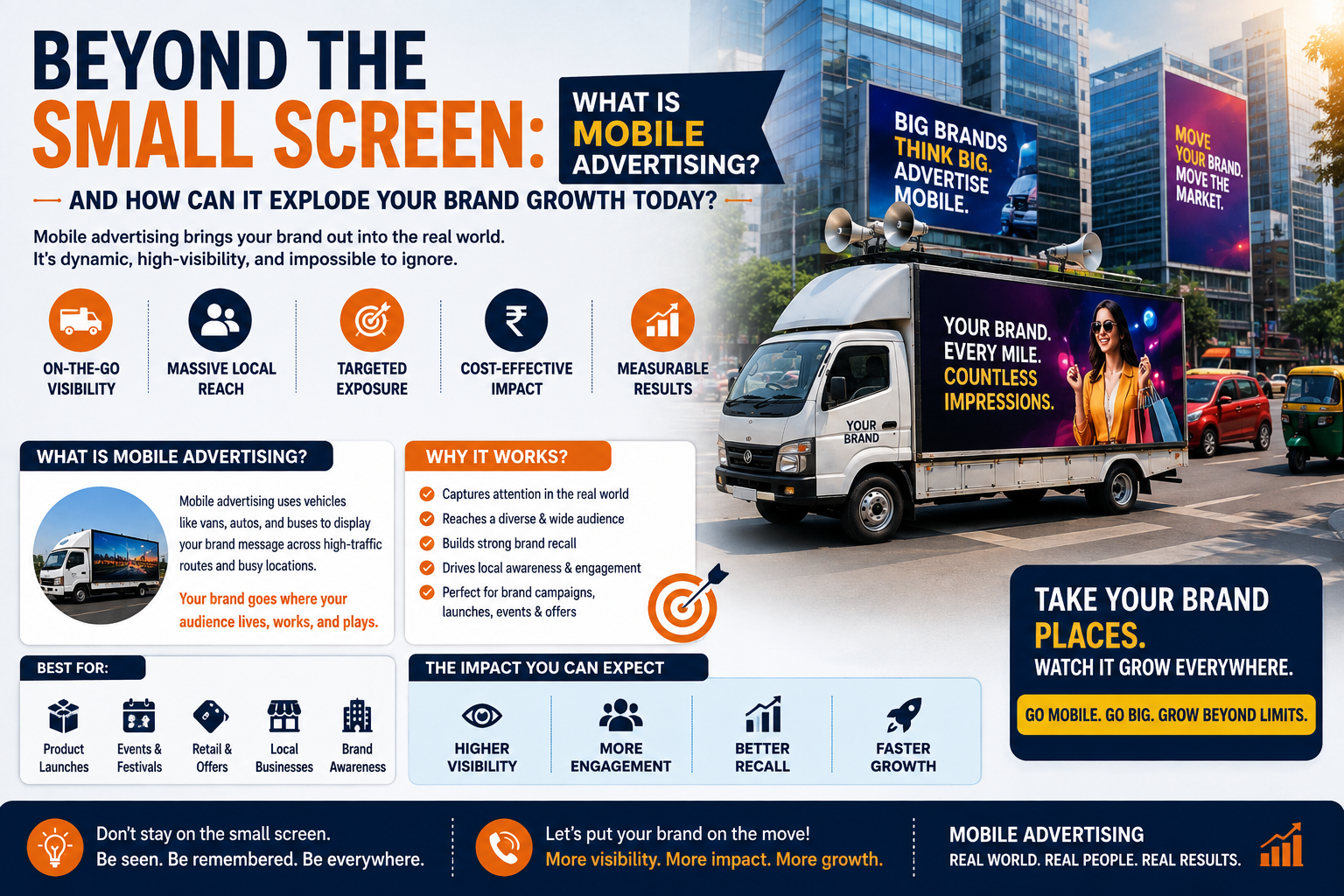
Think about how many times you have unlocked your smartphone today. From checking the morning news to scrolling through social media before bed, mobile devices have become central to our daily existence. Consequently, businesses must go where the eyeballs are.
If you are asking yourself, what is mobile advertising, you are already recognizing the massive shift in consumer attention. Simply put, it is a multi-channel digital marketing strategy designed to reach target audiences directly on their smartphones, tablets, and handheld devices through highly optimized campaigns.
To truly grasp what is mobile advertising in the modern era, one must look beyond simple banner ads. Today, this dynamic practice encompasses sophisticated location-based targeting, interactive video formats, and deeply integrated in-app experiences. Therefore, mastering this channel is no longer optional for growing brands.
Key Takeaways
- Omnipresent Reach: Mobile advertising allows brands to connect with consumers anytime, anywhere, directly in their palms.
- Hyper-Targeting: Campaigns leverage real-time location data, user behavior, and demographics for maximum precision.
- Format Diversity: Formats range from non-intrusive native ads to highly engaging rewarded video ads in gaming apps.
- Privacy-First Future: Success now depends on adapting to stricter privacy laws and data tracking limitations.
The Evolution of the Pocket-Sized Billboard
When exploring what is mobile advertising, it helps to understand its rapid historical evolution. Initially, mobile promotions were restricted to simple, plain-text SMS messages. These early attempts were often viewed as intrusive and lacked visual appeal.
However, the introduction of the smartphone revolutionized the entire marketing ecosystem. Consequently, advertisers gained the ability to deliver rich media, interactive landing pages, and immersive video. As a result, the industry shifted from basic push strategies to highly sophisticated pull marketing.
Today, high-speed mobile networks and advanced processors allow for instantaneous ad rendering. Furthermore, programmatic bidding platforms can serve highly customized ads in milliseconds. Therefore, the modern mobile ad is a masterpiece of real-time data and creative engineering.
Why Modern Businesses Must Ask: What is Mobile Advertising?
To ignore mobile optimization is to ignore the vast majority of modern consumer traffic. Statistically, mobile devices account for over half of global web traffic. Therefore, understanding what is mobile advertising becomes a necessity rather than an option for survival.
In addition, consumer purchasing habits have shifted dramatically toward mobile commerce. Users regularly discover, research, and purchase products entirely on their phones. Consequently, brands that fail to establish a strong mobile presence risk losing market share to agile competitors.
Moreover, mobile devices offer unmatched personal engagement. Unlike shared desktop computers, smartphones are deeply personal items. As a result, campaigns delivered to these screens often enjoy significantly higher engagement and conversion rates.
The Core Mechanics of Mobile Ad Delivery
To comprehend what is mobile advertising from a technical perspective, we must examine programmatic buying. Advertisers do not manually place ads on individual mobile websites. Instead, they use complex automated systems to target specific audiences.
Specifically, Demand-Side Platforms (DSPs) allow advertisers to purchase ad space across thousands of mobile apps and websites. Simultaneously, Supply-Side Platforms (SSPs) help publishers monetize their digital inventory. Consequently, these systems match the right ad with the right user in real time.
Furthermore, this process relies heavily on mobile identifiers and user data. By analyzing browsing habits, app usage, and location history, algorithms predict which ads will perform best. Therefore, the relevance of the ad experience is constantly optimized.
Exploring the Diverse Formats of Mobile Campaigns
When learning what is mobile advertising, you will quickly realize that format selection is critical. Different formats serve different business goals, from brand awareness to direct sales. Consequently, choosing the right format can make or break your campaign ROI.
In-App vs. Mobile Web Advertising
Furthermore, understanding what is mobile advertising requires recognizing the power of in-app ecosystems. Users spend over 90% of their mobile time within applications rather than web browsers. Therefore, in-app ads generally offer higher engagement and better tracking capabilities.
However, mobile web ads remain highly valuable for reaching users searching for immediate information. These ads appear on mobile-optimized websites and search engine results pages. Consequently, a balanced strategy often incorporates both in-app and mobile web placements.
Banner and Display Ads
Banner ads are the oldest and most recognizable form of mobile promotion. Typically, these small visual displays appear at the top or bottom of a mobile screen. Although they are cost-effective, they often suffer from low click-through rates due to banner blindness.
To combat this, modern advertisers use rich media banners that expand or react when tapped. Consequently, these interactive elements capture attention without entirely disrupting the user experience. Therefore, they remain a staple of digital awareness campaigns.
Interstitial and Full-Screen Ads
Interstitial ads are full-screen overlays that cover the entire interface of an app or website. Typically, these ads appear during natural transition points, such as between game levels or while a page is loading. Because they require user action to close, they guarantee high visibility.
However, if used too frequently, interstitials can frustrate users and harm the overall experience. Therefore, advertisers must deploy them strategically to avoid high bounce rates. When executed correctly, they yield exceptional conversion rates.
Native Advertising
Consequently, when studying what is mobile advertising, native formats emerge as a highly effective choice. Native ads are designed to mimic the look, feel, and function of the media format in which they appear. You see them daily as sponsored posts in your social media feeds.
Because they blend seamlessly with organic content, users find them less intrusive and more trustworthy. In addition, native ads generate significantly higher engagement than traditional banners. Therefore, they are ideal for content-driven marketing strategies.
Video and Rewarded Ads
Mobile video consumption has exploded, driven by platforms like TikTok, Instagram, and YouTube. Consequently, mobile video ads have become incredibly powerful tools for storytelling. These short, punchy clips are designed to capture attention within the first three seconds.
In addition, mobile gaming has popularized the concept of rewarded video ads. Users voluntarily watch a short commercial in exchange for in-game currency or premium content. As a result, these ads enjoy incredibly high completion rates and positive brand association.
The Strategic Advantages of Going Mobile
To fully appreciate what is mobile advertising, we must analyze its distinct strategic benefits over desktop marketing. The unique hardware features of smartphones open up creative avenues that were previously impossible. Consequently, campaigns can be highly tailored and contextual.
Hyper-Local Targeting Opportunities
In addition, discovering what is mobile advertising reveals the power of real-time location targeting, often called geofencing. By using GPS data, businesses can send promotional offers to users when they are near a physical storefront. This creates an immediate incentive to visit.
For example, a coffee shop can target commuters walking within a two-block radius during the morning rush hour. Consequently, this level of precision minimizes ad spend waste. Therefore, local businesses can compete effectively with major national brands.
Unparalleled Cost-Efficiency
Furthermore, mobile campaigns often offer a lower cost-per-click (CPC) compared to desktop counterparts. Because of the vast amount of available ad inventory, entry barriers are relatively low. Consequently, small businesses can launch effective campaigns with modest budgets.
Moreover, the highly targeted nature of these ads means you only pay to reach your ideal customer profile. As a result, your overall acquisition costs decrease while your return on investment increases. Therefore, it is a highly scalable marketing channel.
Overcoming the Hurdles of Mobile Ad Campaigns
However, discussing what is mobile advertising without addressing its current challenges would be incomplete. The mobile landscape is constantly shifting, presenting unique obstacles for modern digital marketers. Consequently, agility and adaptation are essential for long-term success.
Navigating the Privacy Revolution
As a result, any modern definition of what is mobile advertising must account for user privacy. Major operating systems have introduced strict tracking limitations, such as Apple’s App Tracking Transparency (ATT) framework. Consequently, tracking user behavior across different apps has become much harder.
To overcome this, advertisers are shifting their focus toward first-party data collection. By building direct relationships with customers through email sign-ups and loyalty programs, brands reduce their reliance on third-party tracking. Therefore, privacy-compliant marketing is the new industry standard.
Combatting Ad Fatigue and Ad Blockers
Another significant challenge is the rise of mobile ad blockers and general consumer fatigue. Users are bombarded with hundreds of marketing messages daily. Consequently, many have learned to tune out promotional content entirely or install blocking software.
Therefore, the solution lies in creating high-value, non-disruptive, and highly relevant ad experiences. Native ads and rewarded formats are excellent tools for bypassing ad fatigue. Ultimately, the quality of your creative asset determines your campaign’s survival.
Best Practices for High-Converting Mobile Creative
When implementing what you have learned about what is mobile advertising, creative design is paramount. Mobile screens are small, and user attention spans are incredibly short. Therefore, your visual assets must be optimized specifically for handheld viewing.
First, always design with a mobile-first mindset. Avoid simply shrinking desktop creative assets to fit a phone screen. Instead, use vertical video formats, bold typography, and clear, high-contrast imagery that stands out in a fast-scrolling feed.
Furthermore, keep your call-to-action (CTA) prominent and incredibly simple to execute. Whether it is “Swipe Up to Shop” or “Tap to Download,” the user should know exactly what action to take next. Consequently, reducing friction in the user journey will dramatically boost your conversion rates.
Therefore, mastering what is mobile advertising involves continuous A/B testing of your creatives. Experiment with different headlines, color schemes, and CTA buttons to see what resonates best with your audience. As a result, your campaigns will remain fresh and highly profitable.
Frequently Asked Questions About Mobile Advertising
To help clarify what is mobile advertising, we have compiled the most common questions below.
What is mobile advertising and how does it differ from traditional digital advertising?
Mobile advertising specifically targets users on handheld devices like smartphones and tablets, utilizing mobile-specific features like GPS location, vertical screens, and in-app ecosystems. In contrast, traditional digital advertising often focuses on desktop environments with larger screens, different user behaviors, and reliance on browser cookies rather than device identifiers.
How do privacy updates like Apple’s ATT affect mobile advertising?
Apple’s App Tracking Transparency (ATT) requires apps to ask for user permission before tracking their activity across other companies’ apps and websites. This has made it more challenging for advertisers to target specific behaviors and track attributions, forcing a strategic shift toward first-party data collection and contextual targeting methods.
What is the most effective format for mobile ad campaigns?
There is no single “best” format, as effectiveness depends on your campaign goals. For brand awareness and engagement, native ads and short-form vertical videos perform exceptionally well. For mobile games and utility apps, rewarded video ads and interactive interstitials yield the highest conversion and completion rates.
Is mobile advertising suitable for small businesses with limited budgets?
Absolutely. Mobile advertising is highly scalable and cost-effective, allowing small businesses to set strict daily budgets. By leveraging hyper-local geofencing and precise demographic targeting, small businesses can reach local customers directly without wasting budget on irrelevant audiences.
Ready to Dominate the Mobile Market?
Don’t let your competitors capture the attention of your target audience. Let our team of mobile marketing experts design, launch, and optimize high-converting campaigns that drive real business growth.